


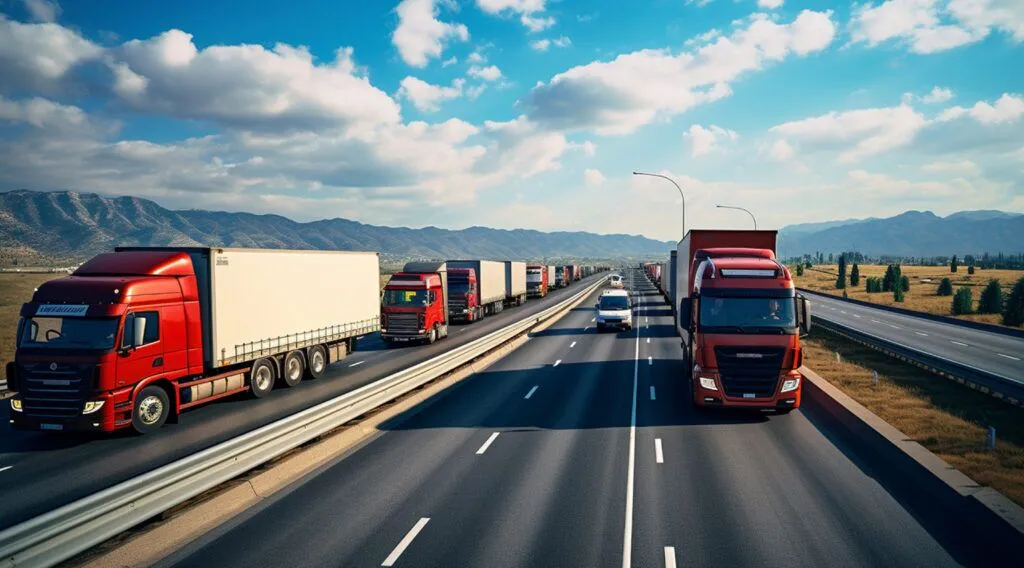
Transportation is the movement of people, goods, and services from one location to another. It forms the backbone of economic development, social interaction, and global trade. From ancient carts and ships to high-speed trains and airplanes, transportation has evolved dramatically, enabling societies to grow, connect, and prosper.
In today’s interconnected world, transportation systems influence economic productivity, accessibility, environmental sustainability, and urban planning. Efficient transportation not only shortens travel time but also improves quality of life and supports industries across the globe.
The Importance of Transportation
Transportation plays a critical role in both everyday life and large-scale economic systems. It connects cities, supports trade, and provides mobility for millions of people daily.
Key Benefits of Transportation
- Economic growth: Facilitates trade, commerce, and industrial expansion
- Accessibility: Connects remote regions with urban centers
- Employment: Creates jobs in logistics, infrastructure, and services
- Social interaction: Enables travel for education, healthcare, and tourism
- Global connectivity: Supports international trade and cultural exchange
Without efficient transportation systems, the movement of goods and people would be slow, costly, and unreliable.
Major Modes of Transportation
Transportation can be categorized into several primary modes, each serving specific purposes depending on distance, cost, and efficiency.
1. Road Transportation
Road transportation includes vehicles that travel on roads and highways.
Examples:
- Cars
- Buses
- Trucks
- Motorcycles
Advantages
- Flexible routes
- Door-to-door delivery
- Suitable for short and medium distances
Challenges
- Traffic congestion
- Fuel consumption
- Pollution and accidents
2. Rail Transportation
Rail transport uses trains that run on tracks to move passengers and freight.
Advantages
- Cost-effective for long distances
- High carrying capacity
- Energy-efficient compared to road transport
Common Uses
- Passenger trains
- Freight trains
- High-speed rail systems
Railways are widely used for transporting bulk goods such as coal, grain, and industrial materials.
3. Air Transportation
Air transport is the fastest mode of transportation and is mainly used for long-distance travel.
Advantages
- Extremely fast travel
- Connects international destinations
- Ideal for emergency deliveries and tourism
Limitations
- Expensive compared to other modes
- Limited cargo capacity for bulky goods
- Environmental impact due to emissions
4. Water Transportation
Water transportation involves ships, boats, and ferries traveling through oceans, rivers, and canals.
Advantages
- Ideal for heavy and bulk cargo
- Cost-effective for international trade
- Large carrying capacity
Examples
- Cargo ships
- Oil tankers
- Ferries
- Cruise ships
Over 80% of global trade by volume is transported through maritime shipping.
Evolution of Transportation
Transportation has evolved significantly over thousands of years.
Early Transportation
- Walking and animal transport
- Carts and chariots
- River boats and sailing ships
Industrial Revolution
The development of steam engines, railways, and mechanized ships transformed transportation in the 18th and 19th centuries.
Modern Transportation
Today’s transportation systems include:
- High-speed trains
- Electric vehicles (EVs)
- Commercial aviation
- Automated logistics systems
These advancements have made travel faster, safer, and more efficient than ever before.
Smart and Sustainable Transportation
As urban populations grow, cities are adopting smart transportation systems that improve mobility while reducing environmental impact.
Examples of Sustainable Transport
- Electric vehicles (EVs)
- Public transportation networks
- Cycling infrastructure
- Car-sharing services
- High-speed rail systems
Governments and industries are also investing in green fuels, electric buses, and smart traffic management systems to reduce congestion and emissions.
Future of Transportation
The future of transportation is shaped by innovation and technology.
Emerging Trends
- Autonomous vehicles (self-driving cars)
- Hyperloop high-speed travel systems
- Electric aviation technologies
- Drone delivery services
- Artificial intelligence in traffic management
These developments aim to make transportation more efficient, sustainable, and accessible.
Challenges in Transportation
Despite technological progress, transportation systems face several global challenges.
Major Issues
- Traffic congestion in major cities
- Environmental pollution
- Infrastructure maintenance costs
- Fuel dependency
- Road safety concerns
Addressing these challenges requires smart planning, policy reforms, and technological innovation.
Conclusion
Transportation is a vital component of modern civilization. It supports economic development, connects communities, and enables global trade. From roads and railways to ships and airplanes, transportation systems continue to evolve with advancements in technology.
As societies move toward sustainable development, the future of transportation will focus on efficiency, environmental responsibility, and intelligent mobility solutions that meet the needs of growing populations.
Frequently Asked Questions (FAQs)
1. What is transportation?
Transportation is the movement of people, goods, or services from one place to another using vehicles or infrastructure such as roads, railways, airways, and waterways.
2. Why is transportation important for economic development?
Transportation enables trade, reduces delivery times, connects markets, and supports industries by moving raw materials and finished products efficiently.
3. What are the four main modes of transportation?
The four main modes are road, rail, air, and water transportation, each serving different purposes depending on distance, speed, and cargo type.
4. Which mode of transportation is the fastest?
Air transportation is the fastest mode, allowing passengers and goods to travel across continents within hours.
5. What is sustainable transportation?
Sustainable transportation refers to systems that reduce environmental impact, such as electric vehicles, public transit, cycling, and energy-efficient transport infrastructure.
6. How does transportation affect the environment?
Transportation contributes to air pollution, greenhouse gas emissions, and noise pollution, particularly from vehicles powered by fossil fuels.
7. What technologies will shape the future of transportation?
Future transportation may include autonomous vehicles, hyperloop systems, electric aircraft, smart traffic systems, and drone-based deliveries.
