


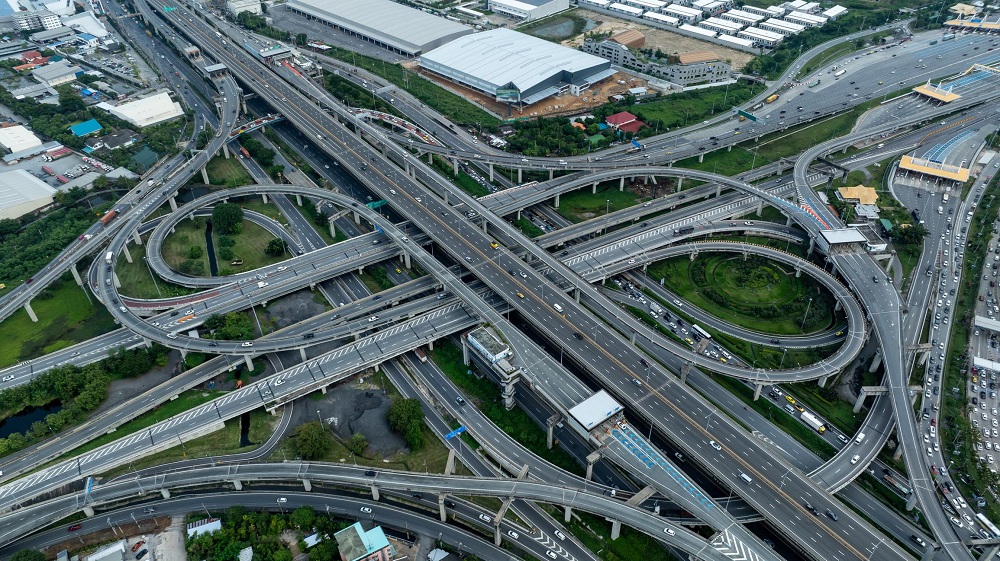
Transportation infrastructure refers to the physical systems and facilities that support the movement of people and goods. These include roads, railways, airports, ports, bridges, and transit networks that allow vehicles and logistics systems to operate efficiently.
A well-developed infrastructure network is essential for economic growth, urban development, and regional connectivity. Countries with strong transportation infrastructure often experience faster trade, better accessibility, and improved quality of life for their citizens.
Key Components of Transportation Infrastructure
Transportation infrastructure consists of several interconnected systems that work together to facilitate mobility.
1. Road Networks
Road networks are among the most widely used transportation infrastructures around the world.
Examples include:
- Highways
- Expressways
- Urban streets
- Rural roads
Road systems support personal vehicles, buses, freight trucks, and emergency services, making them crucial for daily transportation and logistics.
2. Railway Systems
Railways form an essential backbone for mass passenger travel and large-scale cargo transport.
Major railway infrastructure elements:
- Rail tracks and signaling systems
- Train stations and terminals
- Freight yards and cargo depots
- High-speed rail corridors
Rail transport is known for being energy-efficient and capable of moving large volumes of goods over long distances.
3. Airports and Aviation Facilities
Airports serve as critical gateways for international and domestic travel.
Important airport infrastructure includes:
- Runways and taxiways
- Passenger terminals
- Air traffic control towers
- Cargo handling facilities
Air transportation infrastructure allows rapid movement across continents and supports global tourism, trade, and emergency services.
4. Ports and Maritime Infrastructure
Maritime infrastructure plays a crucial role in international shipping and global supply chains.
Key port facilities include:
- Cargo terminals
- Container yards
- Dockyards and ship berths
- Warehouses and logistics centers
Ports enable the movement of bulk goods, oil, manufactured products, and raw materials across global markets.
Importance of Transportation Infrastructure
A strong transportation infrastructure provides several economic and social advantages.
Economic Benefits
- Facilitates domestic and international trade
- Reduces transportation costs for businesses
- Supports industrial growth and logistics networks
- Attracts investments and tourism
Social Benefits
- Improves access to healthcare and education
- Enhances connectivity between rural and urban areas
- Supports emergency and disaster response
- Encourages cultural exchange and travel
Efficient infrastructure ensures faster movement, reduced congestion, and improved safety.
Urban Transportation Infrastructure
Rapid urbanization has created the need for advanced transportation systems in cities.
Examples of Urban Transport Systems
- Metro rail systems
- Bus rapid transit (BRT)
- Light rail transit
- Dedicated cycling lanes
- Pedestrian walkways
These systems help reduce traffic congestion while promoting sustainable and efficient urban mobility.
Smart Transportation Infrastructure
Modern cities are increasingly adopting smart infrastructure technologies to improve traffic flow and reduce environmental impact.
Key Technologies
- Intelligent traffic signal systems
- Real-time traffic monitoring
- Smart parking systems
- GPS-based public transportation tracking
- Integrated mobility apps
Smart infrastructure uses data, sensors, and artificial intelligence to optimize transportation networks.
Challenges in Transportation Infrastructure
Despite its importance, building and maintaining transportation infrastructure presents several challenges.
Common Challenges
- High construction and maintenance costs
- Land acquisition issues
- Environmental concerns
- Urban congestion and population growth
- Aging infrastructure systems
Governments must carefully plan investments to ensure long-term sustainability and efficiency.
Future of Transportation Infrastructure
The future of transportation infrastructure will focus on innovation, sustainability, and digital integration.
Emerging Developments
- Electric vehicle charging networks
- Autonomous vehicle infrastructure
- Hyperloop transport systems
- Green and carbon-neutral transport corridors
- Smart highways with real-time traffic management
These advancements aim to create faster, safer, and environmentally friendly transportation systems for the future.
Conclusion
Transportation infrastructure is the backbone of modern mobility and economic development. Roads, railways, airports, and ports work together to support global trade, urban growth, and daily travel needs.
As technology continues to evolve, future infrastructure will emphasize smart mobility, sustainability, and efficient logistics systems, ensuring that transportation remains reliable and accessible for generations to come.
Frequently Asked Questions (FAQs)
1. What is transportation infrastructure?
Transportation infrastructure includes physical systems such as roads, railways, airports, bridges, and ports that support the movement of people and goods.
2. Why is transportation infrastructure important for economic growth?
It improves connectivity, reduces transportation costs, facilitates trade, and supports industries by enabling efficient movement of resources and products.
3. What are the main types of transportation infrastructure?
The main types include road infrastructure, railway networks, airports, and maritime ports.
4. How does infrastructure affect urban development?
Transportation infrastructure influences city planning, housing patterns, and economic activity by improving accessibility and mobility within urban areas.
5. What is smart transportation infrastructure?
Smart transportation infrastructure uses technology, sensors, and data systems to manage traffic, improve efficiency, and enhance safety.
6. What challenges affect transportation infrastructure development?
Major challenges include funding limitations, environmental concerns, land acquisition issues, and population growth.
7. How will transportation infrastructure evolve in the future?
Future systems will focus on sustainable transport, electric vehicle networks, autonomous vehicle integration, and intelligent traffic management systems.
