


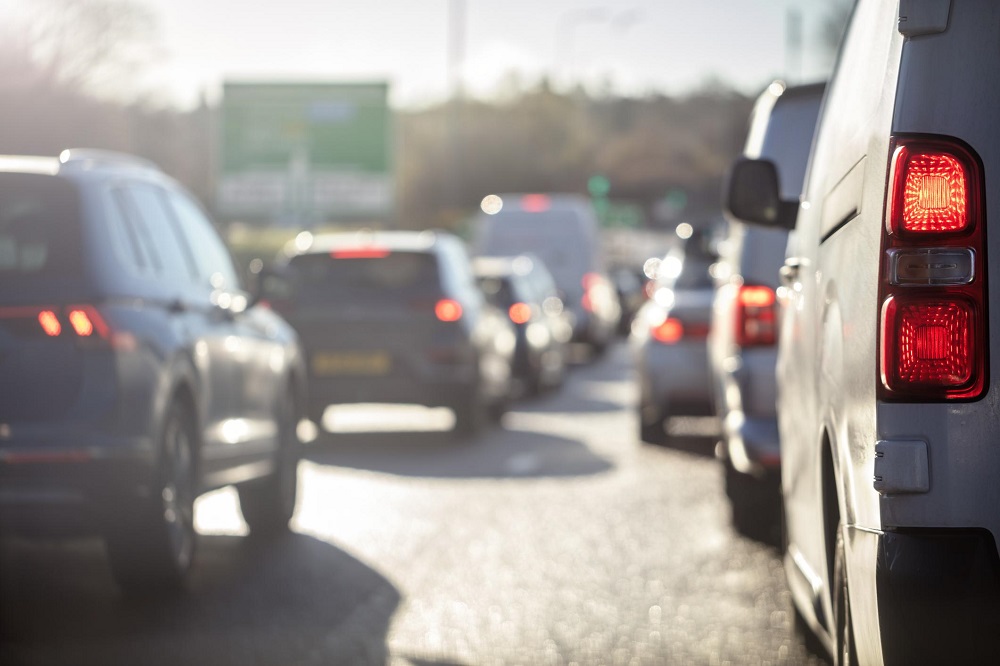
Driving in heavy traffic can be stressful and challenging, especially in busy cities and during rush hours. Congested roads increase the chances of sudden braking, lane changes, and unexpected movements from other drivers. To stay safe, drivers must practice patience, awareness, and defensive driving techniques.
By developing the right habits, you can navigate traffic more smoothly while reducing the risk of accidents and unnecessary stress.
Stay Calm and Patient
One of the most important skills for driving in heavy traffic is maintaining a calm mindset. Traffic congestion often leads to frustration, which can cause drivers to make impulsive decisions.
Ways to Stay Calm While Driving
- Take slow, steady breaths if traffic becomes stressful
- Avoid aggressive driving or road rage
- Accept that delays are common during peak hours
- Listen to calming music or podcasts
Remaining patient allows you to focus better and make safer decisions on the road.
Maintain a Safe Following Distance
Even at slow speeds, maintaining a safe distance from the vehicle ahead is crucial. Sudden stops are common in traffic jams, and insufficient space can lead to rear-end collisions.
Recommended Distance Tips
- Keep at least 2–3 seconds of space between vehicles
- Increase the gap during rain or poor visibility
- Avoid tailgating even when traffic is slow
A proper gap gives you enough time to react to sudden braking.
Avoid Frequent Lane Changes
Constant lane switching rarely saves time and often increases accident risk.
Why You Should Stay in Your Lane
- Reduces sudden movements that confuse other drivers
- Minimizes the risk of side collisions
- Keeps traffic flow smoother
Choose a lane that moves steadily and stay in it unless necessary.
Watch for Motorcycles, Cyclists, and Pedestrians
Heavy traffic areas often include multiple types of road users. Motorcycles and bicycles may move between lanes, while pedestrians might cross unexpectedly.
Safety Tips
- Check mirrors frequently
- Look over your blind spots before changing lanes
- Be cautious near crosswalks and intersections
- Give extra space to smaller vehicles
Staying alert helps prevent accidents involving vulnerable road users.
Use Indicators and Signals Properly
Clear communication with other drivers is essential in crowded traffic conditions.
Good Signaling Practices
- Use indicators before turning or changing lanes
- Signal early so other drivers can react
- Avoid sudden lane movements without warning
Proper signaling helps maintain order on congested roads.
Minimize Distractions
Heavy traffic requires constant attention. Even small distractions can lead to accidents.
Common Driving Distractions
- Using a mobile phone
- Adjusting navigation systems while driving
- Eating or drinking behind the wheel
- Looking away from the road for long periods
Keeping your full attention on driving improves reaction time and safety.
Drive Smoothly and Avoid Sudden Movements
Aggressive acceleration and sudden braking can create ripple effects in traffic flow.
Smooth Driving Habits
- Accelerate gradually
- Brake gently and early
- Maintain a consistent speed
- Anticipate traffic movement ahead
Smooth driving improves safety and reduces stress for everyone on the road.
Be Extra Careful at Intersections
Intersections are common points for accidents during heavy traffic.
Important Safety Tips
- Slow down when approaching intersections
- Watch for vehicles running red lights
- Look for pedestrians crossing the road
- Avoid blocking intersections when traffic stops
Being cautious at intersections helps prevent collisions.
Plan Your Travel Time
If possible, try to avoid peak traffic periods.
Smart Travel Planning
- Leave earlier or later than rush hour
- Use navigation apps for traffic updates
- Choose alternative routes when available
Planning your trip strategically can reduce time spent in congestion.
Frequently Asked Questions (FAQs)
1. What is the biggest risk when driving in heavy traffic?
The biggest risk is rear-end collisions, which often happen due to sudden braking and insufficient following distance.
2. How can I reduce stress while driving in traffic?
Stay patient, listen to calming audio, take deep breaths, and allow extra travel time to avoid feeling rushed.
3. Should I keep switching lanes in traffic?
No, frequent lane changes rarely save time and increase the risk of accidents. It is safer to stay in a steady-moving lane.
4. How can I avoid rear-end collisions in traffic?
Maintain a safe following distance, watch brake lights ahead, and brake gradually instead of suddenly.
5. Why is signaling important in traffic?
Signals help communicate your intentions to other drivers, preventing confusion and reducing accident risks.
6. What should I do if traffic suddenly stops?
Slow down smoothly, maintain a safe gap from the car ahead, and keep an eye on vehicles approaching from behind.
7. How can navigation apps help in heavy traffic?
Navigation apps provide real-time traffic updates, alternate routes, and estimated travel times, helping drivers avoid congested areas.
