


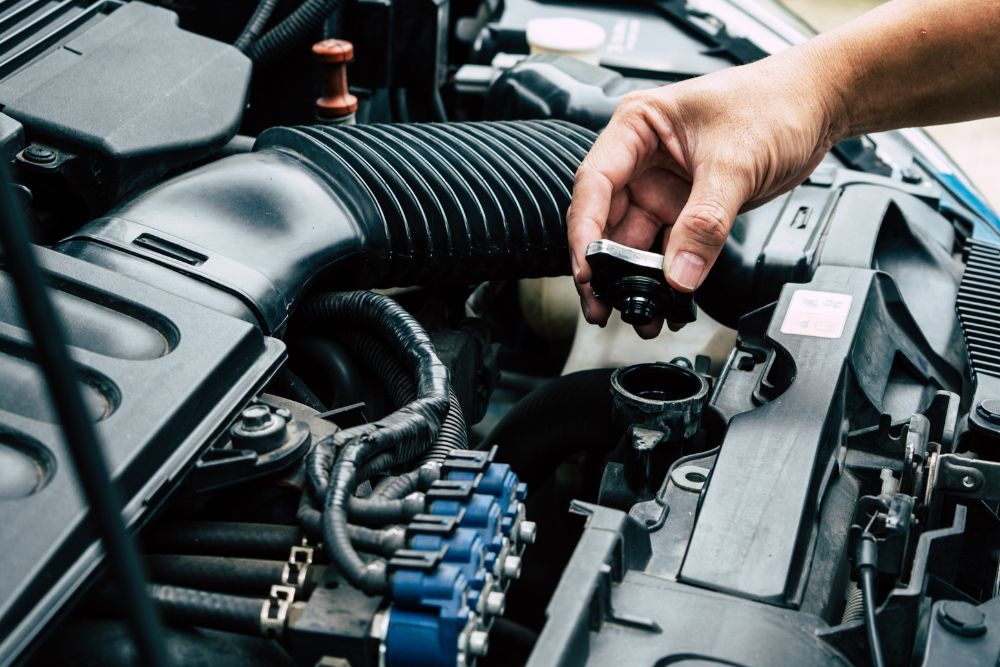
Summer heat can put significant stress on your vehicle. High temperatures affect the engine, battery, tires, and fluids, making proper maintenance essential during warmer months. Without regular care, heat can accelerate wear and increase the risk of breakdowns.
Maintaining your car during summer not only improves safety but also helps extend the lifespan of key components. A few preventive checks and simple habits can protect your vehicle from overheating and mechanical problems.
Below are practical steps to keep your car running smoothly throughout the summer season.
Check the Engine Cooling System
Your vehicle’s cooling system works harder during hot weather. If it fails, the engine may overheat, which can lead to expensive damage.
To maintain the cooling system:
- Inspect coolant levels regularly and refill if necessary.
- Check the radiator, hoses, and clamps for leaks or cracks.
- Ensure the radiator fan is functioning properly.
- Flush and replace coolant according to your vehicle manufacturer’s schedule.
Coolant helps regulate engine temperature, so keeping it at the correct level is critical during summer.
Monitor Tire Pressure and Condition
Hot weather can cause air inside tires to expand, which increases tire pressure. Improper tire pressure affects vehicle handling and may increase the risk of tire blowouts.
Important tire maintenance steps include:
- Check tire pressure at least once a month
- Maintain the recommended PSI listed in the owner’s manual
- Inspect for uneven wear, cracks, or punctures
- Ensure adequate tread depth for safe driving
Properly inflated tires also improve fuel efficiency and overall vehicle stability.
Test the Car Battery
Many drivers assume winter is the most difficult season for car batteries, but extreme heat can also shorten battery life.
High temperatures can accelerate chemical reactions inside the battery and cause fluid evaporation.
Battery maintenance tips:
- Inspect battery terminals for corrosion
- Ensure the battery is securely mounted
- Test battery voltage if it is more than three years old
- Clean terminals if buildup is present
A weak battery can fail unexpectedly, especially during long summer trips.
Maintain the Air Conditioning System
Air conditioning is essential for comfort during hot weather. If the system is not maintained, cooling performance may decline.
Signs your AC system needs attention include:
- Weak airflow
- Unusual noises
- Warm air instead of cold air
- Strange odors from vents
Basic maintenance steps include:
- Replace the cabin air filter
- Check refrigerant levels
- Run the AC system regularly to keep components lubricated
If cooling performance decreases significantly, professional servicing may be required.
Check Engine Oil and Other Fluids
Fluids play a crucial role in protecting vehicle components from heat and friction. During summer, these fluids must remain at proper levels to prevent damage.
Key fluids to inspect include:
- Engine oil
- Brake fluid
- Transmission fluid
- Power steering fluid
- Windshield washer fluid
Oil tends to degrade faster under high temperatures. If your vehicle is due for an oil change, summer is a good time to schedule it.
Protect the Car Exterior From Sun Damage
Extended exposure to sunlight can damage your car’s paint, interior materials, and dashboard.
To protect the exterior and interior:
- Park in shaded areas or covered parking
- Use a windshield sunshade
- Wash and wax the car regularly
- Consider using car covers when parked for long periods
These steps help prevent fading, cracking, and overheating inside the cabin.
Inspect the Braking System
Brakes are critical for vehicle safety, and summer road trips can put additional stress on braking components.
Warning signs of brake issues include:
- Squeaking or grinding noises
- Vibrations while braking
- Increased stopping distance
- Soft brake pedal feel
Regular brake inspections ensure pads, rotors, and fluid remain in good condition.
Keep an Emergency Kit in Your Vehicle
Summer travel often involves longer drives and road trips. Having an emergency kit can help you deal with unexpected situations.
A useful summer car emergency kit may include:
- Drinking water
- Flashlight
- Jumper cables
- Tire repair kit
- First aid supplies
- Basic tools
Preparation can make a major difference if your vehicle experiences trouble on the road.
Conclusion
Summer heat can place extra strain on many parts of your vehicle. Regular inspections of the cooling system, tires, battery, and fluids help prevent mechanical problems and costly repairs.
By maintaining your car properly during hot weather, you improve reliability, safety, and overall driving comfort. Simple preventive care ensures your vehicle performs well throughout the summer months.
Frequently Asked Questions (FAQs)
1. Why do cars overheat more often in summer?
High temperatures increase the workload on the engine and cooling system. If coolant levels are low or the radiator is not functioning properly, the engine can overheat quickly.
2. How often should tire pressure be checked in summer?
It is recommended to check tire pressure at least once a month and before long trips, as hot weather can cause pressure fluctuations.
3. Does hot weather affect car fuel efficiency?
Yes, high temperatures can slightly reduce fuel efficiency because the air conditioning system and engine cooling components consume additional power.
4. How can I keep my car interior cool in the summer?
Using windshield sunshades, parking in shaded areas, and slightly opening windows for ventilation can help reduce interior heat buildup.
5. Is it necessary to service the car before a summer road trip?
Yes. Checking tires, fluids, brakes, and the cooling system before long trips helps prevent breakdowns during travel.
6. Can extreme heat damage car paint?
Yes. Prolonged exposure to sunlight can fade paint and damage the clear coat. Regular washing and waxing help protect the finish.
7. How do I know if my car’s cooling system needs service?
Common signs include rising engine temperature, coolant leaks, steam from the engine area, or frequent overheating while driving.
