


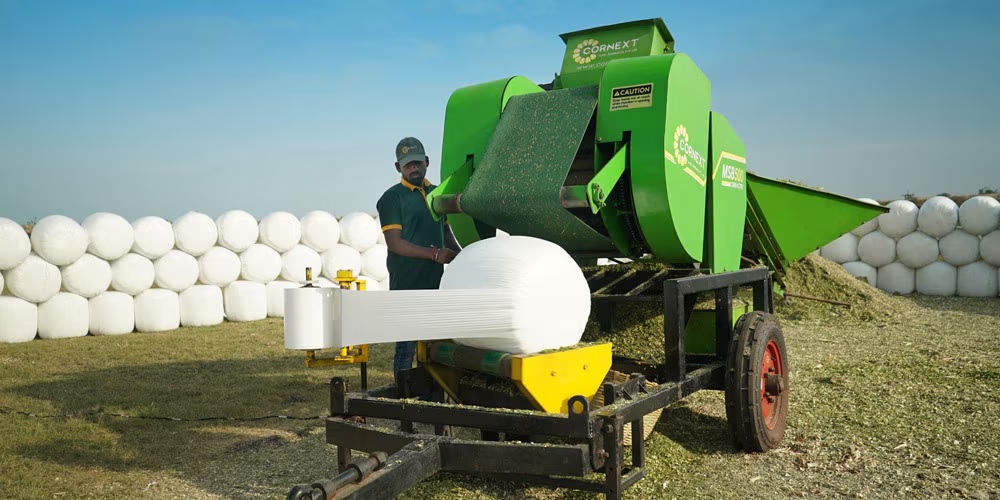
Preserving forage for livestock is a fundamental practice in modern agriculture, ensuring a consistent and nutritious food supply throughout the year. Silage, which is fermented, high-moisture fodder, is a vital component of animal diets. The quality of this feed is directly linked to how well it is preserved. This is where silage film plays an indispensable role.
The process involves tightly wrapping bales of forage to create an airtight environment. This is achieved using a specialized, stretchable plastic known as bale wrap film. By preventing oxygen from reaching the crop, the film facilitates an anaerobic fermentation process. This process preserves the nutritional value, including proteins and energy, of the original forage, which is essential for healthy and productive livestock.
In a tropical climate like Thailand, where high humidity and temperatures can accelerate spoilage, the effectiveness of the preservation method is even more important. A high-quality silage film protects the feed from moisture, UV radiation, and physical damage. This protection minimizes waste and ensures that the investment in growing and harvesting crops is not lost, providing farmers with a reliable source of high-quality animal feed.
Creating an Oxygen-Free Environment
The primary function of silage film is to create and maintain an anaerobic environment. When forage is baled, a significant amount of air is trapped within it. The wrapping process, using multiple layers of stretched film, helps to squeeze out this air. Once sealed, the small amount of remaining oxygen is quickly used up by plant and microbial respiration.
When the oxygen is gone, anaerobic bacteria begin to ferment the plant sugars into lactic acid. This process lowers the pH of the forage, effectively pickling it. The low pH inhibits the growth of spoilage-causing microorganisms, such as yeasts and molds, which would otherwise degrade the nutritional quality of the feed. The airtight seal provided by the film is what allows this beneficial fermentation to happen correctly.
Protecting Against External Elements
Silage bales are often stored outdoors for extended periods, exposing them to various environmental challenges. Silage film is engineered to withstand these conditions. It is manufactured with UV inhibitors to protect the feed from the damaging effects of sunlight, which can degrade nutrients and compromise the film itself. In Thailand’s strong sun, this is a particularly important feature.
The film also acts as a physical barrier against rain and ground moisture, which could lead to spoilage and the growth of harmful toxins. Its puncture and tear resistance is also a valuable quality, protecting the bale from damage during handling and from pests or birds that might try to pierce the wrap. By shielding the forage from these external threats, the film ensures the silage remains safe and palatable for animals.
Retaining Nutritional Value
Ultimately, the goal of making silage is to preserve the energy and protein content of the fresh forage. Without proper preservation, a significant portion of these nutrients can be lost through aerobic spoilage. When oxygen is present, microorganisms consume the most valuable nutrients, reducing the feed’s overall quality.
By using a dependable silage film to create a stable, airtight environment, farmers can lock in the nutritional value of their crop at the time of baling. This results in a feed that supports animal health, growth, and milk production more effectively. It reduces the need for expensive supplementary feeds, making the farming operation more economically sustainable. The film is a simple but effective tool in producing high-quality, nutrient-rich feed for livestock.
