


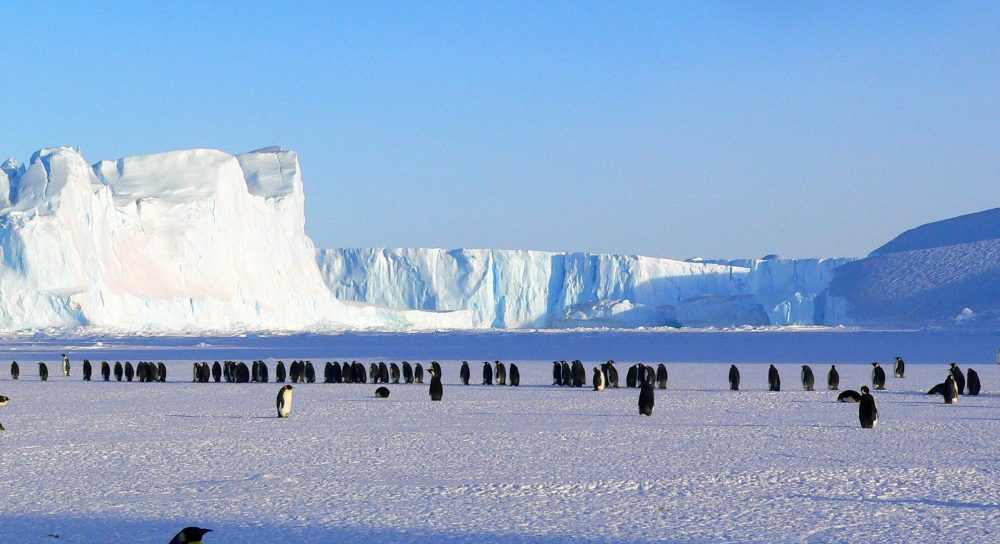
The pristine, icy wilderness of Antarctica often feels like a world away, a remote continent shrouded in mystery and extreme conditions. Yet, what happens on this frozen landmass has profound and far-reaching implications for every corner of our planet. The accelerating rate of Antarctic ice melt is no longer a distant scientific curiosity; it’s a critical environmental issue demanding global attention and action. Understanding why this matters is the first step toward safeguarding our shared future.
The Unseen Powerhouse: Antarctica’s Role in Global Systems
Antarctica isn’t just a large chunk of ice; it’s a crucial component of Earth’s climate system. Its vast ice sheets act as a giant refrigerator, reflecting solar radiation back into space and helping regulate global temperatures. The cold, dense waters formed around Antarctica drive a significant portion of the global ocean circulation, a complex system that distributes heat and nutrients around the world.
When this delicate balance is disturbed by rapid ice melt, the ripple effects are felt globally. The sheer scale of the Antarctic ice sheet – holding enough freshwater to raise global sea levels by approximately 58 meters if it all melted – underscores the immense potential for disruption. While a full melt is a distant scenario, even a fraction of this melt poses significant threats.
Rising Tides and Coastal Threats
Perhaps the most immediate and widely understood consequence of Antarctic ice melt is its contribution to global sea-level rise. As ice sheets and glaciers melt, the water flows into the oceans, directly increasing their volume. The West Antarctic Ice Sheet (WAIS) is particularly vulnerable, with some studies suggesting it has already passed a tipping point. Its collapse could lead to several meters of sea-level rise over centuries, but even a few decimeters in the coming decades would be catastrophic for coastal communities worldwide.
Consider the densely populated delta regions of Asia, the low-lying island nations of the Pacific, or the major coastal cities like New York, Shanghai, and Mumbai. Increased sea levels amplify the impact of storm surges, leading to more frequent and severe flooding, erosion of coastlines, and salinization of freshwater sources. This isn’t just an environmental problem; it’s an economic and humanitarian crisis in the making, displacing millions and costing trillions in infrastructure damage and adaptation efforts.
Disrupting Ocean Currents and Weather Patterns
Beyond sea-level rise, Antarctic ice melt has the potential to fundamentally alter global ocean currents. The formation of cold, dense water in the Southern Ocean, driven by the cooling effect of the ice, is a key engine for the Atlantic Meridional Overturning Circulation (AMOC). This “global conveyor belt” plays a vital role in transporting heat from the tropics to the poles, influencing weather patterns across continents.
Increased freshwater input from melting ice can stratify the ocean, making it harder for dense, salty water to sink and disrupting this crucial circulation. A weakening or collapse of the AMOC could lead to more extreme weather events, including colder winters in Europe, altered monsoon patterns in Asia, and shifts in ocean productivity that impact global fisheries. For those considering an antarctica expedition, witnessing these dynamic processes firsthand offers a unique perspective on their global significance.
Biodiversity Under Threat
The Southern Ocean surrounding Antarctica is one of the most productive marine ecosystems on Earth, supporting an incredible array of life, from microscopic plankton to colossal whales. Krill, a small crustacean, forms the base of this food web, and its abundance is closely linked to sea ice. Melting ice reduces the extent of sea ice, which is crucial for krill breeding and feeding grounds.
A decline in krill populations sends shockwaves through the entire ecosystem, impacting penguins, seals, and whales that depend on them for survival. Furthermore, the oceans absorb a significant portion of the CO2 released by human activities, leading to ocean acidification. This acidification further stresses marine organisms, particularly those that build shells and skeletons, compounding the challenges faced by Antarctic biodiversity. An antarctica expedition offers a rare glimpse into these fragile ecosystems.
Actionable Insights: What Can Be Done?
The scale of the problem can feel overwhelming, but individual and collective actions can make a difference.
- Reduce Carbon Emissions: The most critical step is to drastically reduce global greenhouse gas emissions. This involves transitioning to renewable energy, improving energy efficiency, and promoting sustainable transportation.
- Support Scientific Research: Continued investment in polar research is vital to better understand the complex processes at play in Antarctica and refine climate models. This knowledge is crucial for informed decision-making.
- Advocate for Policy Change: Engage with policymakers and support initiatives that prioritize climate action, international cooperation on environmental protection, and sustainable development.
- Educate and Raise Awareness: Share information about the importance of Antarctica and the impacts of climate change with your networks. The more people understand, the greater the pressure for meaningful change.
- Consider Sustainable Tourism: If you dream of an antarctica expedition, choose reputable operators committed to environmental protection and responsible tourism practices. Such experiences can be powerful motivators for conservation.
A Shared Responsibility
Antarctica’s future, and by extension, our planet’s future, hinges on the choices we make today. The melting ice is a stark reminder of our interconnectedness and the profound impact of human activity on even the most remote corners of the Earth. By understanding the science, recognizing the risks, and taking decisive action, we can work towards a more sustainable and resilient future for all. The time to act is now, before the silent melt of Antarctica becomes an irreversible global crisis.
Author Bio:
The author is a passionate environmental writer and researcher with a deep interest in polar science and climate change. With a background in environmental policy, they strive to demystify complex scientific topics and inspire action through engaging storytelling. Their work focuses on highlighting the interconnectedness of global ecosystems and advocating for sustainable practices to protect our planet’s most vulnerable regions.
